Why Do I Have to Dial 10 Digits for Local Calls?
Quick Answer
You have to dial 10 digits for a local call because your area now has more than one area code, or because it switched for the 988 lifeline. The FCC says a second local code requires ten-digit dialing, and more than 80 area codes moved so 988 could start on July 16, 2022. Your own phone number does not change.
On this page
- What does "dial 10 digits" actually mean?
- Why does my area need 10-digit dialing?
- What did 988 have to do with it?
- Is it 10 digits or 1 + 10?
- Will alarms and saved contacts still work?
- How can I tell which dialing rule my area uses?
- Which areas have changed recently?
- Frequently Asked Questions
- Our Take
- Sources
Key Takeaways
- Ten-digit dialing means area code plus the seven-digit number, even for a neighbor down the street.
- Two things caused it: overlays (a second area code in the same region) and the 2022 start of 988.
- Your own number stays the same. Existing numbers do not change when a new code is added.
- Some places also need a 1 in front. California, for example, requires 1 + area code + number for all calls.
- If a call will not connect, check the digits first. A seven-digit try is the most common reason.
What does "dial 10 digits" actually mean?
Every U.S. phone number has ten digits: a three-digit area code and a seven-digit local number. For many years, people in a single-code area only dialed the last seven for local calls. That shortcut is what is going away.
The seven-digit part is itself two pieces: a three-digit prefix and a four-digit line number. In the example number 555-0142, 555 is the prefix and 0142 is the line. The area code goes in front of both. Nothing about the last seven digits changes, so you do not need to learn a new number for anyone. You only need to remember to start with the three-digit code, every time.
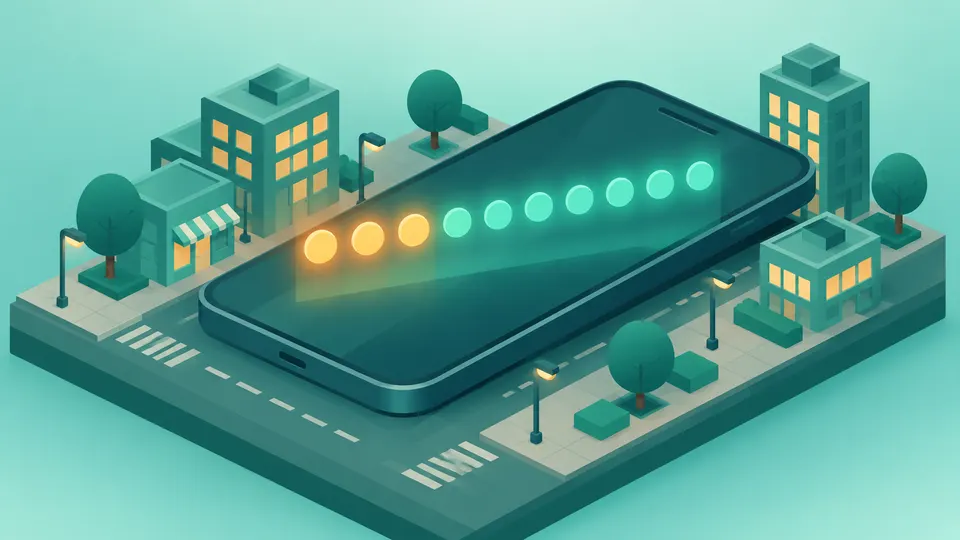
Look at the example below. It uses a made-up number in the range reserved for examples. The seven local digits light up first, which is how many people still dial. Then the three area code digits slide in front of them. That is the whole change: you now add the area code to every local call.
Why does my area need 10-digit dialing?
The most common reason is an overlay. An overlay is a second area code added to the same region, instead of splitting the region in two. People keep their old code and old number, and new lines can get the new code. Our guide on what an area code overlay is explains how that works.
The catch is that two codes can share the same neighborhood. A seven-digit number would no longer say which code you mean. The FCC says that adding a second local code to an area requires 10-digit dialing [1]. The California Public Utilities Commission describes an overlay the same way: a second code for the same region [3].
Here is a real example from our data. Area code 423 in Tennessee shares its region with the 729 overlay. The Tennessee Public Utility Commission said ten-digit dialing became mandatory on August 5, 2025, and that 729 numbers could be issued from September 5, 2025 [4].
Notice the order: the dialing change came first, a month before the first new-code numbers. That gives people time to update phones, alarms and saved contacts before a neighbor ever gets the new code.
What did 988 have to do with it?
Not every 10-digit area has an overlay. The FCC says more than 80 area codes moved to 10-digit dialing so the 988 Suicide & Crisis Lifeline could start on July 16, 2022 [1].
In plain terms, 988 is a three-digit number. In an area where local calls still used seven digits, a local number could also begin with 988, and the phone system could not tell the two apart. Asking everyone to dial the area code first removes that overlap. That is our reading of why the change was needed; the FCC page states the purpose and the date, so check it for the official wording.
The FCC page is archived and dated July 21, 2022. It makes the same point as the overlay rule: your own number does not change, only how you dial it.
Why does this matter for you today? Because the change is not only for places that got a new code recently. If you live in one of those 80-plus areas, you have been dialing ten digits since 2022 even if your area never added a second code. If you are visiting a relative in such an area, their local calls follow the same rule. It also explains why two neighbors in different states can give you different advice: each has been following the rule of their own area.
Is it 10 digits or 1 + 10?
These are two different things, and they trip people up. Ten-digit dialing means area code plus number. "1 + 10" means you also press 1 first, the way you do for long distance.
Which one your area uses depends on where you are. California is the clearest official example in our sources: the CPUC says that in an overlay area, all calls need 1 + area code + number [3]. Other states handle it differently, and we did not find one national rule that fits all of them. When in doubt, try the ten digits, and if that fails, try a 1 in front.
Our Number Format Check shows you how a number should be written, and our Smart Number Lookup tells you where an area code was first assigned.
Will alarms and saved contacts still work?
The number you were given does not change. The FCC says existing numbers stay the same when a code is added or when an area moves to 10-digit dialing [1]. What changes is how you dial.
The practical risk is anything that has a seven-digit number stored on its own. That could be a home alarm, a medical alert button, a fax line, a gate keypad or an old speed-dial list. We cannot say which of your devices handle ten digits, so ask the company or read the manual, and re-save those numbers with the area code included.
Think about where else a short number can hide. Many people have a pharmacy, a doctor's office or a school saved in a phone book that is years old. Some of those entries were typed in with only seven digits, because that is all anyone needed at the time. After the change, a cell phone still tries to place the call as typed, so those entries can be the ones that quietly stop working. Open your favorites list once, tap each short number, and fix it. It takes a few minutes and avoids a failed call during an appointment or an emergency.
On a cell phone, the simplest habit is to save every contact with its full ten digits. Then it does not matter which rule your area follows. If a call to a local number will not go through, add the area code and try again.
How can I tell which dialing rule my area uses?
There is no single national list that tells you whether to use 7, 10 or 1 + 10 digits. The rule depends on your area code and your phone company. Here is a short way to find out.
- Look at the area code on your own number. Then open its page in our area code list. If the area has an overlay, the page has a "How to dial" section that says local calls need all ten digits, and it links to the official notice we checked.
- Read any notice from your phone company. Companies usually mail or text customers before a change, and the state commission posts its own notice. Those two are the sources that decide the rule for your area.
- Test with a number you know. Dial a neighbor or a local business with all ten digits. If it connects, you are set. If it does not, try a 1 first, then call your carrier.
- Write the rule down for the household. Put a small note beside the landline or in the family group chat: "Always include the area code."
The same habit protects you when you travel or move. A call that was local at home might need a 1 at your destination, and your carrier's help page or the local commission can tell you which. If you are ever unsure whether a call will cost extra, the carrier is the right place to ask, because we cannot see anyone's plan or bill.
One more point helps when you are checking a number you do not recognize. The area code on a call only shows where that number was first assigned. It does not show who is calling. Caller ID can be faked, which the FCC explains in its spoofing guide [2]. If a call worries you, use a number you look up yourself to check.
Which areas have changed recently?
Our data lists several recent changes from state commissions. A few examples, each with its source:
- Alabama: 483 joins 334. Ten-digit dialing was mandatory January 23, 2026, and the 483 overlay began February 23, 2026 [5].
- New York City: 465 was activated on June 18, 2026 in the area of 718. Ten-digit dialing was already required there [6].
Because the dialing rule often comes first, a new code can be announced long before you ever see it on a call. Each code page lists the other codes that share its region.
Frequently Asked Questions
Do I need to dial a 1 before the area code?
It depends on where you are. The CPUC says all calls in California's overlay areas need 1 + area code + number. Other places may not need the 1 for local calls. Try the ten digits first, then add a 1 if the call does not go through.
Can I still dial just seven digits?
Not in an area that requires ten-digit dialing. The FCC says a second local code requires it, and it also says more than 80 area codes moved for 988. If your area is not on those lists, check with your phone company.
Does 10-digit dialing change my phone number?
No. The FCC says existing numbers do not change. Only the way local calls are dialed changes.
Do I need to tell friends and family about the change?
It helps to mention it, especially for older relatives who still dial seven digits from memory. Your number is the same, so there is nothing to give them except the reminder to include the area code.
Do I dial 10 digits to reach 988?
No. 988 is dialed as three digits. The change affected local calls to ordinary seven-digit numbers, not the lifeline itself.
Our Take
We think the ten-digit change is a nuisance that most people stop noticing within a week. The real cost lands on older devices: alarms, medical buttons and old speed-dial lists that still hold seven digits. We would rather see a quiet check of those before the deadline than a surprise afterward. Our advice is simple: save every contact with its area code, and when a call fails, check the digits before you assume something is broken. If you are unsure what a code means, our area code pages give the official dates we could confirm, and nothing else.
Sources
- Ten-Digit Dialing (archived). Federal Communications Commission, 2022.
- Caller ID Spoofing. Federal Communications Commission, 2024.
- Area Code Frequently Asked Questions. California Public Utilities Commission, 2008.
- 10-Digit Dialing Required in the Tennessee 423 Area Code Starting August 5, 2025. Tennessee Public Utility Commission, 2025.
- New 483 Area Code Implementation to Begin in 2026 for Central and Southeast Alabama. Alabama Public Service Commission, 2026.
- Additional New York City Area Code Activated to Accommodate Future Demand. New York State Public Service Commission, 2026.
An area code shows where a number was first assigned, not where the caller is or who they are. Numbers move with people and caller ID can be spoofed. Spotted an error? Tell us.